Wednesday, November 4, 2020

Habits that Wreak Havoc on Your Immune System—and What to Do Instead

In a perfect world, we’d all make healthy choices all the time. But we don’t live in a perfect world—and for many of us, our habits don’t always contribute to our health. In fact, many of our habits can actually harm our health—and, more specifically, wreak havoc on our immune system. And while supporting immune function is always important, it’s especially important now.

So, the question is, what are some of the habits we’re partaking in every day that are having a negative impact on our immune systems—and what should we do instead to support our immune function and make healthier choices?

The Habit that Wreaks Havoc: Eating in Front of the TV 

Are you the kind of person who, in an effort to multitask, eats their meals in front of the TV while they catch up on the day’s news? If so, you may want to rethink your dining habits.

There are a lot of stressful things going on in the world—and consuming that stress while you consume your meal isn’t doing your immune system (or your digestive system) any favors. “So many people have the TV or other media on in the background while they are eating, much of which creates stress,” says Functional Medicine Certified Health Coach Jane Hogan. “This keeps the autonomic nervous system in a state of fight-or-flight—hampering digestion and deactivating the immune system.”

What to do instead: Practice mindful eating. Take the time to enjoy your meal mindfully. Turn off the TV, sit at the table, and be present while you eat your food. Practicing mindfulness has been shown to lower stress—which, over time, can help support a healthy immune system, get better sleep, help make progress toward your weight goals, and more. 

The Habit that Wreaks Havoc: Not Getting Enough Exercise

Exercise is hugely important to support a healthy immune function—but many of us aren’t getting our workouts in on a consistent enough basis. “Most of us do not get enough exercise,” says Maria N. Vila, DO, a board-certified physician and medical advisor for eMediHealth. And especially during the pandemic, many of us are moving less; but that doesn’t mean we should beat ourselves up over it. 

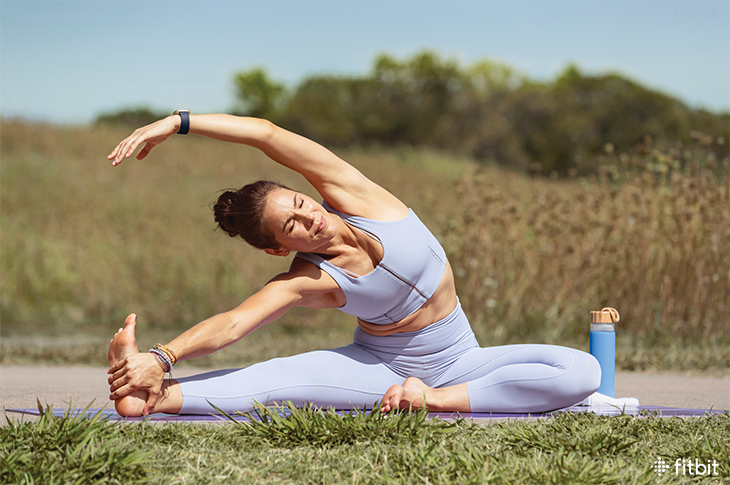
What to do instead: Make exercise a priority. If you want to support healthy immune function, try to make exercise a habit. How you exercise is up to you; you can lace up your shoes for a run, hit your mat for a yoga session, or do some bodyweight exercises in your backyard—just make sure you’re working enough workouts into your schedule to support your health and immune function. “The recommended amount of exercise [from the American Heart Association]…is 150 minutes of moderate-intensity exercise weekly or 75 minutes of vigorous activity weekly,” says Vila. That means a 25-minute jog three times a week. Or, if you’re not into running, you can take a 20-minute “sanity walk” around the block seven times a day.

The Habit that Wreaks Havoc: Getting Your Sweat On Even When You’re Not Feeling Well

Exercising regularly is a must for supporting optimal immune function—but the opposite can be true when you’re feeling under the weather. “One of the worst things I see people do is working out while they’re unwell,” says Brendan Lee, coach, Ironman triathlete, and editor at The Fit Brit. “Often we consider it some kind of victory if we get to the gym even if we’re not feeling well, but exercise is the last thing your immune system wants [when you’re sick].

When you’re sick, your body needs energy to fight the illness. But if you spend your energy going for a run or doing a HIIT workout on YouTube, your body is going to have less energy to combat the illness—and it’s going to be harder to recover.

What to do instead: Rest! If you’re feeling under the weather, give your body the time it needs to heal. “Illness is your body telling you to rest,” says Lee. “Make sure you listen!”

The Habit that Wreaks Havoc: Scrolling through Social Media Before Bed

Getting proper sleep plays a huge role in immune function. But if you’re spending the hours before bed scrolling through social media on your phone or watching videos on your laptop, you’re not going to be able to catch the Zzz’s you need for your immune system to function at a high level.

“The blue light emanating from screens tricks the brain into thinking it’s still daytime, messing with the natural circadian rhythm, hampering the production of melatonin and ultimately adversely affecting sleep,” says Hogan. “Without sufficient sleep, the body makes fewer cytokines, a type of protein that targets infection and inflammation, effectively creating an immune response.”

What to do instead: Ban screens from the bedroom. If you don’t want screens to mess with your sleep schedule, plan to turn them off at least an hour before bedtime—and if you don’t want to be tempted (“just one more email!”), try banning electronic devices from your bedroom altogether.

The Habit that Wreaks Havoc: Taking “Shortcuts” for Your Health (While Ignoring Your Diet)

There’s nothing wrong with taking vitamins or supplements to support your immune system. But if you’re taking that vitamin or supplement as a kind of “shortcut” to compensate for a less-than-ideal diet, you’re not going to get the immunity-boosting benefits you’re looking for.

“You can’t out-supplement a poor diet,” says Laura DeCesaris, DC, MSACN, IFMCP, and founder of Heartroot Health and Wellness. “If you’re eating the Standard American diet—which is generally full of inflammatory processed foods, added sugar, and way too many unhealthy fats and carbohydrates—taking an ‘immune-boosting’ supplement without first improving your regimen will generally not be helpful.”

What to do instead: Eat foods that support your immune system. “Focus on a balanced, anti-inflammatory eating style, rich in whole foods and low in processed junk food,” says DeCesaris.

Incorporate nutrient-dense, immunity-supporting foods (including fruits, veggies, and healthy fats) into every meal—and swap out your processed snacks for healthier options, like almonds or blueberries.

If you’ve struggled to adopt a healthier diet in the past, no worries! Just take things one step at a time. 

“The best way to adopt a newer diet regimen is to start small but plan big,” Dr. Tina Gupta, co-founder of health and wellness website The Lifestyle Cure. “Try reducing the number of processed goods that you eat and slowly start to replace them with nutrient-dense food like vegetables and fruits. The nutrients within these substances will naturally enhance the immune system and provide you with the protection that you need.”

The post Habits that Wreak Havoc on Your Immune System—and What to Do Instead appeared first on Fitbit Blog.


source https://blog.fitbit.com/habits-immune-system/

Tuesday, November 3, 2020

Debunking the Flu Shot

When flu season rolls around, do you make it a priority to go for a flu shot? The Centers for Disease Control and Prevention (CDC) recommend that all adults should get vaccinated annually, but only 52 percent of American adults actually received flu shots during the 2019-20 flu season.

Some people who don’t receive flu shots may mean to get vaccinated, then forget, but others purposely bypass it for any number of reasons. “There are many factors that contribute to the low flu vaccine rate,” says Amesh Adalja, MD, senior scholar with the Johns Hopkins Center for Health Security and a fellow of the Infectious Diseases Society of America. “Some people have misconceptions about getting the flu from the flu vaccine. Others believe it is ineffective. And still others minimize the risk of influenza.”

Every year, a certain number of people choose not to get vaccinated. “In my experience, there are several comments about declining the flu shot—that is, ‘I don’t get the flu, so I don’t need the shot,’ or ‘I had it once and it made me sick; never again,’ or ‘I read somewhere that the chemicals in the flu shot are extremely harmful,’” says Catherine Fisher, CRNP, a certified nurse practitioner with Mercy Family Care in Baltimore, who says that a conversation between a patient and healthcare provider may help to change someone’s mind about flu shots. “The key to all of this [is] not only giving information to patients, but also having the time and the willingness to answer questions that arise.”

Flu shot myths, debunked

Some people are wary of vaccinations of any type and may not like the idea of getting one annually. But immunity to the influenza virus wears off over time, so a yearly injection before the height of flu season helps to protect against illness or worse; about 22,000 Americans died of complications from the flu during the 2019-20 flu season.

Annual flu shots also help prevent disease because they can be changed to protect against strains of flu which are expected to be most rampant during each flu season, since different strains of the flu may circulate every year.

Sometimes people become infected with strains of the flu that weren’t targeted by the flu shot, but having had the vaccination still offers protection, leading to milder illness. “Even if the flu vaccine doesn’t protect them from becoming infected with influenza, it may protect them from becoming hospitalized with influenza,” Adalja says.

Vaccines typically contain inactivated influenza and don’t cause the flu, despite some opinions which have been shared via social media. However, they may cause mild symptoms. “Individuals do have reactions, producing symptoms like low-grade fever or mild fatigue,” Fisher says. “This response is a healthy reaction to the virus, indicating that the immune system has been activated and that your body recognizes an invading virus.”

Where to get a flu shot

Flu shots are available at doctor’s offices, pharmacies, walk-in clinics, and certain workplaces (although this may be less likely during the pandemic). The variety of venues offering protection against the flu should make it easier for you to fit a vaccination into your schedule.

Pharmacy-administered flu shots are often given on a walk-in basis, which may be more convenient for spontaneous people than waiting for doctor’s appointments. Some research shows that when people get their flu shots at nontraditional destinations like pharmacies, they’re more likely to get vaccinated before the end of October, which protects them for more of flu season.

“I think the pharmacies are a critical way of getting the flu vaccine into peoples’ arms,” Adalja says. Getting a flu shot at the doctor’s office will help your doctor keep your vaccination records updated, and you may have more time to ask questions or air concerns.

“I am not suggesting that education isn’t the role of pharmacist,” Fisher says, “but [doctors and other healthcare providers] are more likely to have an established care relationship with the patient, leading to ease of communication.”

Why you should get a flu shot during the pandemic

Getting a flu shot during the pandemic is as important, if not more important, than in years past, according to health experts. Because COVID-19 and the flu have many similar symptoms, lowering your chances of getting the flu may help you avoid the need for a COVID-19 test or quarantining at home. 

A flu shot could also help lower your chances of becoming ill with the flu and COVID-19 simultaneously, which may lead to serious illness. As a result of getting the shot, you may also avoid flu complications, which should keep you out of the hospital—where you might be exposed to COVID-19—at a time when COVID-19 cases are expected to rise. “Influenza [and] the novel coronavirus will be competing for the same hospital beds, ICU beds, and personal protective equipment,” Adalja says. “The less of a burden we can make influenza, the more room we’ll have to take care of coronavirus patients.”

The post Debunking the Flu Shot appeared first on Fitbit Blog.


source https://blog.fitbit.com/debunking-flu-shot/

Let’s Focus on Strengthening Our Immunity

As we enter November, our eighth month of living in a global pandemic, it’s clearer than ever that many of our collective priorities have changed. It’s been a challenging year, mentally and physically. Despite an increased focus on prioritizing “wellness”, many people feel worse about their overall health and well-being, with stress and anxiety levels at recorded all-time highs. 

That said, we’re pretty inspired by how you, our Fitbit community, have learned to adapt to the challenges of these unprecedented times. We know from the latest Fitbit data—and our continuing series of data stories on the blog—that users have embraced new kinds of physical activities to balance out a more sedentary WFH lifestyle. 

Of course, improving your health isn’t just about the physical. In our Stress Week series last month, we helped you learn more about mindfulness, stress management, and more—through content that focused on all things mental health. But did you know that meditation and mindfulness can also help improve immune function? 

This month, we are talking about immunity strengthening and support. That means we’ll be exploring everything from DIY home remedies to unexpected ways you could be wreaking havoc on your immune system—and, of course, what to do instead. We’ll be debunking common misconceptions about the flu shot, bringing you plenty of delicious and healthy recipes (as always), and more. It’s always been our mission to help people around the world get healthier, and now more than ever, we want to support you in staying healthy and strong, both mentally and physically. 

Happy reading!

The post Let’s Focus on Strengthening Our Immunity appeared first on Fitbit Blog.


source https://blog.fitbit.com/november-immunity-month/

Saturday, October 31, 2020

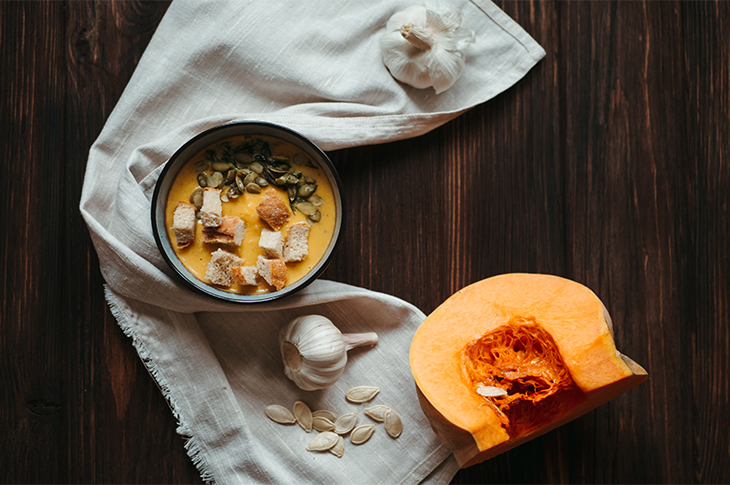
7 Reasons to Add Pumpkin to Everything

If you love all things pumpkin, you know the delicious flavor and beautiful color that the gourd can add to everything from oatmeal to soup and way (way!) more. What you may not realize, though, is what else pumpkin brings to these dishes. From making recipes more nutritious to lending a rich, creamy texture without the cream, here are all the reasons to consider making pumpkin a year-round ingredient in your kitchen.

It can replace calorically dense baking ingredients. In baked goods, you can swap out some or all eggs, butter, and oil with pumpkin in order to reduce calories as well as fat, says Maggie Michalczyk, RDN a Chicago-based registered dietitian and author of The Great Big Pumpkin Cookbook. The general recommendation is:

However, every recipe is different, so this may take some experimentation. And remember that you’ll be adding pumpkin flavor to whatever you bake. Sometimes that’s wonderful, other times, not so much.

It adds moisture. Pumpkin puree is about 90 percent water. So when you add it to baked goods, pumpkin helps to keep your muffins, bread, and cookies light.

It can replace some cheese. “Pumpkin’s creamy, thick texture is the perfect complement to add creaminess to dishes like mac and cheese or risotto,” Michalczyk says. “It can easily be stirred in with the cheese, giving recipes slightly more of an orange hue.” And thanks to pumpkin’s texture, you can even cut back on the cheese in recipes, she adds, which can lighten them up. Cutting back on cheese also means less sodium, which is better for your heart.

It’s loaded with beta-carotene. Our bodies convert beta-carotene from plants into vitamin A. Vitamin A is essential to immunity, vision, and reproduction, and to help our organs function properly. Just half a cup of pumpkin puree provides your entire daily recommended needs for vitamin A. 

It provides antioxidants. In addition to beta-carotene, pumpkin also delivers vitamins C and E, along with lutein and zeaxanthin. All of these are antioxidants, which help fight damage from free radicals and may reduce the risk of various diseases.

It’s a good source of vitamin K. Vitamin K is important for blood clotting and healthy bones. Half a cup of pumpkin puree provides 16 percent of your daily needs. 

It’s a source of potassium. This mighty mineral helps regulate fluid balance, muscle contractions, and nerve signals, explains Michalczyk. Getting adequate potassium also appears to help lower high blood pressure. Half a cup of pumpkin puree provides 5 percent of your daily needs.

It’s a good source of fiber. Despite the big health benefits that come with a fiber-filled diet—from better weight management to improved heart health and a lower risk of diabetes and some cancers—it’s still a nutrient most people are lacking. We need fiber to help our digestive system function well, Michalczyk says. Half a cup of pumpkin puree has 3.5 grams of fiber—more than 10 percent of our daily goal.

The seeds are nutrient powerhouses, too. Sometimes called pepitas, pumpkin seeds deliver iron, fiber, healthy fats, plus many more nutrients. Instead of throwing them out, give them a rinse and a dab to dry, and then toss them onto a baking sheet with a drizzle of extra-virgin olive oil and a sprinkling of salt. Roast for 20 to 30 minutes at 325 °F (165 °C) or until crisp and golden brown.

Try out some of our favorite pumpkin recipes from the Fitbit blog, below.

Here’s How Julianne Hough Pumpkins Up Her Coffee (Real Pumpkin Spice Latte)

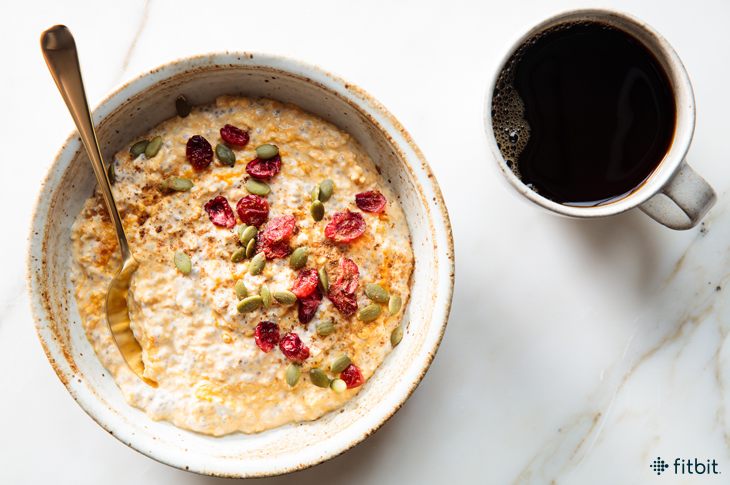
Pumpkin Overnight Oats with Cranberries & Pepitas

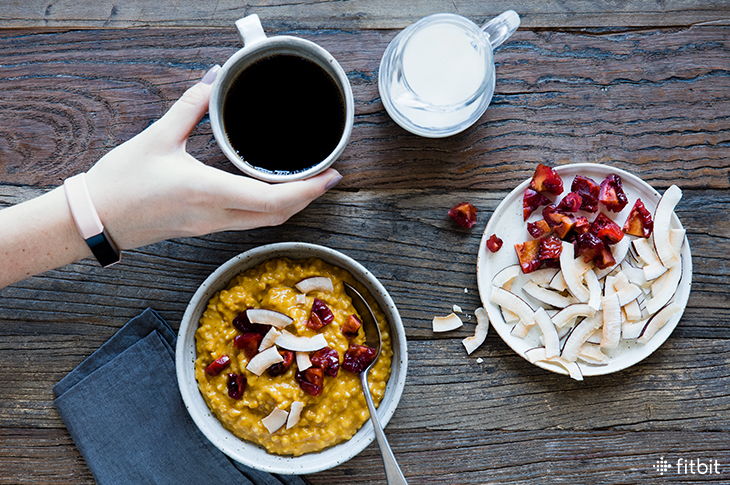
Pumpkin Steel-Cut Oats

The post 7 Reasons to Add Pumpkin to Everything appeared first on Fitbit Blog.


source https://blog.fitbit.com/reasons-to-add-pumpkin/

Friday, October 30, 2020

Orange Foods to Add to Your Plate

Whether it’s winter squash, citrus, or pumpkin, orange produce is super satisfying and delicious. And it’s incredibly good for you. “Orange fruits and vegetables aren’t just about beta-carotene, vitamin A, or vitamin C,” says Maggie Moon, MS, RD, author of The MIND Diet. “From prebiotic fiber to brain-boosting lutein, and many polyphenols in between, orange fruits and vegetables deliver a diverse package of nutrients that interact and work together for cumulative health benefits.”

Try these five standouts on your next grocery run.

Persimmons. Boasting twice the fiber and more antioxidants than an apple, these exotic fruits are a great pick for heart health. Never tried one before? “Whether you prefer the more astringent acorn-shaped Hachiya or the sweeter, round Fuyu, persimmons are a treat,” says Frances Largeman-Roth, RDN, author of Smoothies & Juices: Prevention Healing Kitchen. “When ripe, they have a real jammy consistency and make a luscious, easy dessert served over a little vanilla yogurt or ice cream.” For the best flavor and texture, store them upside down at room temperature until they’re fully soft and ripe and then refrigerate.

Acorn squash. If better digestion is on your radar think acorn squash. Each cooked cup provides 9 grams of fiber (more than 4 slices of whole-wheat bread!). And, unlike other winter squash, you won’t have to wrestle with it in the kitchen. “The nice thing about acorn squash is that it’s a manageable size that I can easily work with,” says Moon. “The skin isn’t too tough for slicing into rings, or even just cutting in half.” For a super-satisfying meal, stuff roasted halves with warm grain salad or even ground turkey and cranberries.

Oranges. You already know vitamin C-rich oranges are a win for immune health. They may also provide a brain boost thanks to potent antioxidants called flavonoids. In one study, volunteers who downed just 8 ounces of flavonoid-rich orange juice performed better on tests of attention, focus, and reaction time than a placebo group that consumed a drink that looked and tasted like OJ, with equal carbs and calories. “Juicy and refreshing, I keep oranges around from October through early spring,” says Largeman-Roth. “Try tossing orange segments into smoothies and fruit salads, or simply eating them as a snack.” 

Another plus: Oranges stay fresh in the fridge for up to three weeks, meaning fewer trips to the store for fresh fruit, she says.

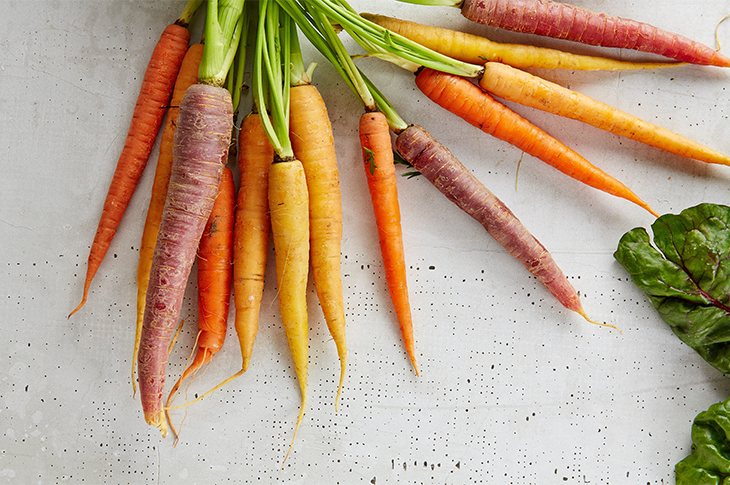
Carrots. Carrots aren’t just great for your eyes. A growing body of research finds that they may also help protect against cancers of the colon, stomach, lung, breast, and prostate. That’s because carrots are rich in falcarinol and falcarindiol, plant compounds that may slow the rate that cancer cells grow and divide. And you don’t have to eat a whole bunch to benefit. In one recent study, people who ate two to four carrots a week were 17 percent less likely to develop colorectal cancer than those who munched on carrots less often. For a quick fix, buy them pre-shredded to toss into bolognese, chili, salads, pancakes, or cookies.

Orange Beets. These nitrate-filled root veggies are good news for anyone looking to lower blood pressure. How so? “We convert dietary nitrates from beets to nitric oxide, a compound that helps lower blood pressure by improving the flexibility of blood vessels,” says Moon. If the word nitrates sets off alarm bells, know that naturally-occurring plant nitrates aren’t the same as cancer-causing nitrates in processed meat, she says.

And if you normally find the flavor of beets to be overpowering, orange beets are a milder alternative to their red siblings. Try them steamed and thinly sliced with a little goat cheese, extra-virgin olive oil, salt, and pepper, or grated into salads or latkes.

The post Orange Foods to Add to Your Plate appeared first on Fitbit Blog.


source https://blog.fitbit.com/orange-foods/

Thursday, October 29, 2020

4 Yoga Myths Busted

There’s no denying the many health benefits of yoga, from increased flexibility and lowered muscle tension to decreased stress and anxiety. In terms of movement practices, yoga is just incredibly good for your body. “Yoga offers a unique combination of deep stretching with dynamic movement, thereby effectively lengthening the muscles and realigning the body,” says Christine Fuchs, a registered yoga teacher who spent 8 years on the Board of Trustees of Kripalu Center for Yoga & Health, the largest yoga-based retreat center in the US.

But there’s also a lot of misconceptions about yoga—misconceptions that keep a lot of people who could benefit from a yoga practice from ever getting on the mat.

So, what are those misconceptions—and why are they inaccurate? Let’s bust some of the most common myths about yoga—so there are no misconceptions or misinformation standing in the way of you and getting started with yoga (and enjoying all the health benefits in the process):

Myth #1: “Yoga is only for flexible people.”

When you see pictures of yogis on social media, they’re often bent into gravity-defying postures—which has led many people to believe that you need to be super flexible in order to practice yoga.

But flexibility is not a prerequisite for practicing yoga—and no matter how flexible or inflexible you might be, there are ways to adjust every pose to make it work for your body.

“The core of yoga is focusing on the breath and exploring how the body feels. Every yoga pose can be adapted to a person’s current level of flexibility,” says Fuchs. “The focus should not be on how the student looks in the pose, but where the student feels the stretch.”

Take downward facing dog, for example. People with tight hamstrings will definitely struggle to get into the heels-on-the-floor posture you might see in yoga class—but a) that’s not the point of the pose, and b) the posture can easily be adjusted to fit your current level of flexibility.

“The purpose of downward facing dog is to stretch the spine without rounding the lower back; the goal is not to have straight legs and bring the heels to the floor,” says Fuchs. Fuchs recommends students with tight hamstrings bend their knees generously to get the stretch in their back—and as they get more flexible, they can work on straightening their legs and lowering their heels.

(And, if you practice regularly, chances are, you will get more flexible. “I often hear from people that they are not flexible enough to do yoga,” says Fuchs. “I remind them that they don’t need to be flexible to do yoga, but that they might become more flexible as they practice yoga.”)

Myth #2: “I have chronic pain—so I can’t do yoga.”

If you struggle with chronic pain, the thought of exercise can feel overwhelming—and that includes yoga (particularly more intense forms of yoga, like Vinyasa). 

But if you struggle with pain, certain types of yoga can actually help you better manage your pain.

“Studies have shown that practicing yoga may be beneficial or can even reduce certain types of chronic pain,” says Stephanie Morgyn, a Chicago-based yoga instructor and wellness blogger. “For example, yin yoga is usually taught in an unheated class and has been proven to increase oxygen and blood flow to the muscles through gentle, long holding postures. It is recommended for those who…are living with chronic pain, stress, or tight muscles. These classes are more restorative and rely heavily on gravity to help deepen postures and restore range of motion.”

People with chronic pain may also worry that certain postures might actually make their pain worse. But it’s important to remember that “all postures can be modified,” says Morgyn. “If you are practicing at a class in person, make sure to let your instructor know about any health problems before class so that they can offer customized cues and modifications to help you in certain postures that might be painful.”

Myth #3: “I’m too old to try yoga.”

There are a lot of people out there who believe that if you don’t get into yoga by the time you turn 30, that ship has sailed.

But there’s no age limit on starting a yoga practice—and there are a variety of yoga styles that will mesh with any age group.

“While my 80-year-old mother might not enjoy hot yoga or power yoga, there are lots of different yoga styles where we move slower,” says Fuchs. “If the main goal is relaxation, I recommend [older] students try restorative yoga or yoga Nidra. For a more active practice for seniors, I recommend chair yoga…slow flow yoga, or gentle yoga.”

Practicing yoga also has certain benefits that are particularly helpful for older generations; for example, a “big benefit of yoga is the focus on balancing poses, such as Tree Pose, and on being firmly grounded,” says Fuchs. “This is especially important for seniors,” who may struggle with balance (and could face serious health issues if they were to fall).

Bottom line? It doesn’t matter if you’re 25, 42, 59, or 82—you’re never too old to get started with a regular yoga practice.

Myth #4: “Yoga is only for spiritual people.”

Yoga has spiritual roots, which has led many to believe that yoga is only for spiritual or religious people.

But while yoga is certainly a spiritual practice for many, it certainly doesn’t have to be. There are a lot of different elements of yoga, and “what we most commonly call yoga is [actually] ‘asana,’ which is the physical component of yoga—and that doesn’t have to be a spiritual practice,” says yoga teacher Alessandra Calderin.

And while the spiritual aspects of yoga (like meditation) certainly have their own health benefits, sticking to a strictly physical yoga practice has plenty of benefits of its own.

“[Asana] can however be a great tool for getting in touch with and listening to the body, cultivating strength, slowing the mind, mastering the breath,” says Calderin. Asana is also “linked to tons of health benefits like reducing anxiety and inflammation.”

The post 4 Yoga Myths Busted appeared first on Fitbit Blog.


source https://blog.fitbit.com/yoga-myths-busted/

Tuesday, October 27, 2020

The Best Way to Find Your Next Dinner Recipe Online

Cookbook? What cookbook? Today many of us turn to our favorite online search engines to discover how to prepare different foods and find what to make for dinner tonight. It can be a great technique. “There is unlimited info at your fingertips that can be accessed in a matter of seconds,” says virtual performance nutritionist Cynthia Sass, MPH, RD, CSSD. 

Still, your searches could probably be more effective. Use Sass’s tips below to stop wasting time and more easily find just what you’re looking for.

Be specific. “Chicken recipe” has more than 1.2 billion hits. This could lead you down a rabbit hole of clicks and tabs until you find a recipe that not only screams out to your taste buds but that you also have the ingredients and time to make. 

Instead, check your fridge and pantry to see what ingredients you have on hand and also consider what flavors you’re in the mood for—such as Japanese or Cuban. Add a few more ingredients or flavors to your search. “I have searched for some combinations of words that I thought were obscure, like ‘bean recipes chia seeds’ and found some great on-point results,” Sass says. “You can also add words like ‘gluten-free’, ‘vegan’, ‘quick’, and ‘make-ahead’ to further narrow your results.”

Read the full recipe. Probably everyone has gone to make a delicious-sounding meal, only to realize they were supposed to prep a part of the recipe a day ago. While PB&J can always do in a pinch, you can avoid this snafu by checking all the steps and techniques and seeing how much time it says the recipe will take. 

Keep in mind that these times aren’t always how long you’ll need to prep and make it. Some of us chop onions faster than others. “In some cases, you can make modifications,” Sass says. “For example, if a recipe calls for making a dressing or sauce separately, you can opt for a healthy store-bought, ready-to-eat product and skip that step. While the dish may turn out a little different, the shortcut may be worthwhile.”

Check out any comments. “I’ve seen recipes that called for an item in the instructions that wasn’t listed on the ingredient list,” Sass says. “Commenters generally point these things out, or other factors to consider, like ingredients that can be added to enhance flavor or garnish the dish, or if the baking time required was more or less than the recipe stated.” Granted, we all have different taste preferences. But if several people note that the dish turned out dry, you may want to keep searching.

Look past the first page. Top recipe results tend to be from big players such as magazines, well-known recipe sites, and food bloggers with large social media followings, Sass notes. “Don’t narrow yourself to the first page of results,” she recommends. “You may find some great recipes on the tenth page of the Google search.”

Consider images carefully. You may salivate over the photos of perfectly iced keto doughnuts. But if you need to buy five ingredients plus a special pan to make them, is it really worth it? “Humans are very visual, so a great photo can ‘sell’ one recipe over another. But always read the recipe before you decide, to be sure you’re OK with the ingredients, number of steps, complexity, and length of time required,” Sass says. On the other hand, some recipes look more intimidating than they are to make, she adds, so don’t overlook that seemingly gourmet lasagna.

Search for brands. Have a hummus you love? Chances are, they not only have recipes on their site, but bloggers have probably posted recipes using the hummus too. Sass suggests adding specific branded ingredients (think: mustard, hot sauce, plant-based milks) you love to your search box to find these dishes. And remember: You don’t need to have that brand in your fridge to make the recipe, as long as you have the ingredient.

The post The Best Way to Find Your Next Dinner Recipe Online appeared first on Fitbit Blog.


source https://blog.fitbit.com/find-your-next-dinner-recipe-online/