Hi, I am Dollie Gary, from Rochelle Park. I am a housewife as well as a nutrition specialist by profession. I love to spend free time reading articles about health and fitness.
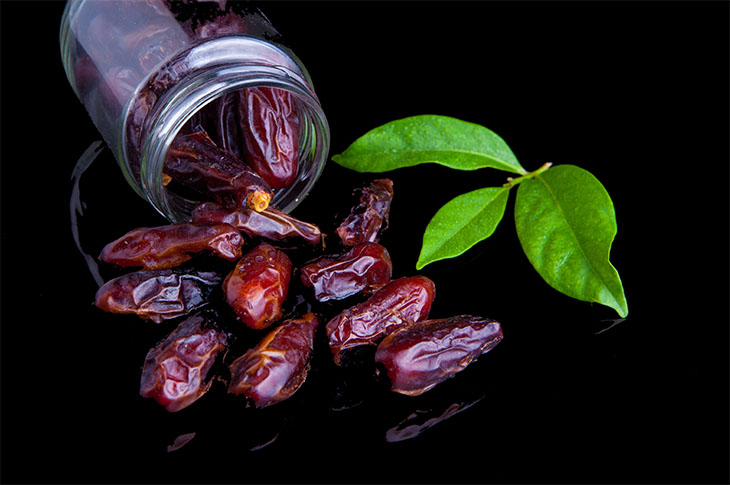
As many of us try to reduce our intake of sugars, the debate continues over which sweetener is best. While the typical contenders—coconut sugar, agave, maple syrup, stevia, monk fruit—are still in this battle, dates are gaining traction. These dried fruits are no longer only for eating as a snack or dessert; now you can buy date syrup to use in baked goods, drinks, marinades, drizzles for roasted veggies and salads, and more. The question is, are dates the best way to add a touch of sweetness to your day?
“Dates are naturally very sweet, and some health-conscious consumers prefer to get their sugar from whole foods,” says Mascha Davis, MPH, RDN, author of the newly released Eat Your Vitamins. When you enjoy the fruit whole, you’re getting antioxidants and some minerals such as calcium to support bone health, magnesium for muscle contraction, and potassium, which is essential for proper cell functioning.
Plus, there’s fiber. “The fiber causes the date sugars to be absorbed into the bloodstream a bit slower,” Davis explains, “so dates do not spike your blood sugar quite as much as the equivalent amount of regular sugar or syrup does.” This keeps you from experiencing the roller coaster peak and then plummet in blood sugar (and energy) that’s typical after eating simple sugars.
So, if you’re craving a sweet snack and want something more nutritious than a cookie, dates are a pretty good option. But don’t go overboard: Since they are fairly concentrated in sugars, Davis recommends a serving of one to two dried dates. One Medjool date typically contains about 70 calories, 4 teaspoons (or 16 grams) of total sugars, and just under 2 grams of fiber.
Date syrup is another thing. “Date syrup is not the same as a whole date and is processed just as much as other sugars,” Davis explains. Because of this, date syrup lacks fiber. Compare whole dried Medjool dates and Medjool date syrup (note that the exact nutrition facts vary from brand to brand). On average one tablespoon of date syrup contains about 60 calories, just over 3 teaspoons of total sugars (13 grams), and 0 grams of fiber.
Both dates and date syrup contain the minerals calcium, potassium, and magnesium, but only in small amounts so they aren’t considered good sources. So, all things are about equal, except for that all-important fiber.
How does a date fair in the fruit world overall? Let’s take a quick look. For roughly the same 70 calories a single date delivers you can eat…
1½ cups of strawberries which contains 2 teaspoons (7 grams) of total sugars and 3 grams of fiber.
1 small pear which contains 3½ teaspoons (14 grams) total sugars and almost 5 grams of fiber.
1 medium orange which contains 3 teaspoons (12 grams) of total sugars and over 3 grams of fiber.
Takeaway Fact: One date provides roughly the same amount of calories, carbs, and total sugars as one teaspoon of sugar. It also provides some fiber and slightly more minerals, but not much else. So, if you’re looking for ways to sweeten your smoothies, view them as a slightly healthier, no-added sugar substitution, but don’t go completely dippy on dates.
For many months now, we’ve been told it’s best to participate in outdoor activities, which makes the country’s national parks—like Yosemite, Yellowstone, the Grand Canyon, Arcadia—ideal for the post-pandemic era. Or at least, it should. But what happens if everyone else has the same idea?
According to NPR, “business is booming” for national parks. Tourists are crowding the entry gates. So how do you stay safe if you do vacation there in the coming months?
Dr. Janet Morgan, an internal medicine specialist at Cleveland Clinic, breaks down the most important tips to keep in mind when planning a national park visit.
Go during off-peak hours. Yellowstone and Yosemite are much more likely to be packed at noon on a Saturday. If you can visit the park when you guess the crowds will be much smaller. Consider getting up early in the morning, and getting through the gate before everyone else does, says Morgan. Also, consider parks that are lesser-traveled, but equally beautiful. These include Voyageurs National Park in Minnesota, Guadalupe Mountains in Texas, and Pinnacles in California.
Social distance, even outside. Just because you’re outside doesn’t mean you shouldn’t stay six-feet apart from other visitors; you absolutely should. “Social distancing is key,” says Morgan. “One should be able to better comply being in a larger outdoor space, but it’s still best to also wear a mask.” That way, if you cross paths with anyone inadvertently, you are being as safe as you can be. Morgan also suggests avoiding crowded attractions and trails; look for the hidden treasures in the park.
Know what to pack. Consider a COVID-19 safety pack for your car or your bag, with all the pandemic protection essentials. Morgan says to bring two masks per person, in case one gets wet, because—important fact—wet masks are not effective. “Ear loop masks with layers are best, plus hand sanitizer and water to stay hydrated,” she says. Sanitize regularly, after using bathrooms (if soap is not available) and anytime you touch a surface.
Minimize time indoors. Food courts, bathrooms, gift shops… literally anytime you go inside, you are at increased risk of COVID-19 transmission, says Morgan. “Use extreme caution indoors, including restaurants, and be sure strict safety measures—masks, social distancing, hand washing—are in place at all times,” she insists. Especially when it comes to masks, the only time it’s okay to take it off, says Morgan, is outdoors when you are sure you’re alone or only around those from your own household.
Bring your own food if you can. It’s okay to get takeout if there’s not a long line for it and you can socially distance yourself, but it is likely better to bring food and utensils from home if you can, says Morgan. This way, you have more control over the environment in which it’s prepared to avoid contamination. Of course, make sure to eat in an area of the park where foot traffic is low—in your car, or away from the main attractions.
The feeling often arrives first thing in the morning. As you wake up, the coming day’s obligations, goals, and potential pitfalls take over your thoughts. Your dis-ease increases as you deal with minor frustrations. You discover you are out of shampoo and eggs. Everything just seems a bit overwhelming.
When a workmate on the day’s first virtual meeting casually asks you how you are, you admit the truth: You’re stressed. But when they ask you what about, you find you don’t have a ready answer. Something feels different than yesterday, but you can’t put your finger on what’s changed.
We all have a personal understanding of the feelings we associate with stress. What triggers a stress reaction varies widely from person-to-person. It can also change for an individual from day-to-day. Perhaps most frustratingly, the root causes of stress can be elusive. When it comes to the interior workings of our brains and bodies, we can sometimes be strangers to ourselves. How we cope with stress—our ability to recognize it, build resilience, and even put it to use—is a key to overall well-being.
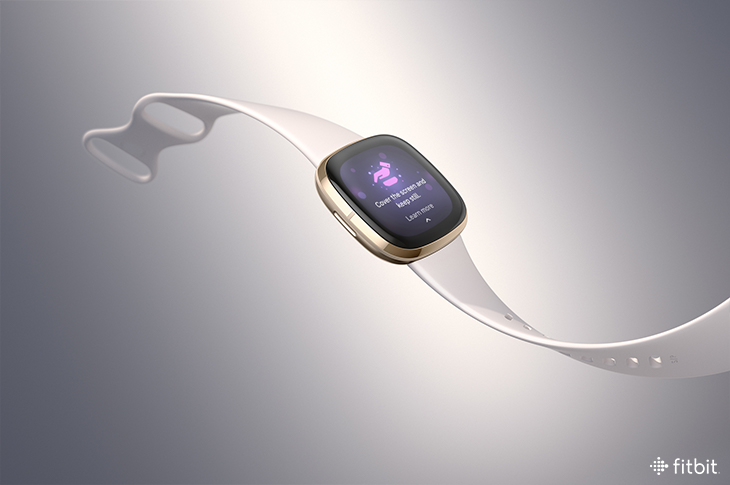
The new Stress Management Score on the new Fitbit Sense can give users insights into how their body is managing stress. Take, for instance, that morning when you woke up feeling stressed for no apparent reason. Checking in with Fitbit’s new Stress Management Score might reveal information hidden in the rhythm of your heart or the previous night’s sleep that you weren’t consciously aware of (score details available with Fitbit Premium).
“If you wake up in the morning and you have a high Stress Management Score, meaning that your body is in pretty good shape, you might want to start that new project or maybe go socialize at the end of the day,” says Fitbit research scientist Dr. Samy Abdel-Ghaffar who helped create the tool. “It’s an indication that you have a little extra gas in the tank to be able to take on new challenges. If your stress score is lower than normal for you, then you might want to take it easy that day. Be kind to yourself and maybe do some meditation and get to sleep early.”
The Stress Management Score can give you insights that will help you manage a given day but, as importantly, it can help you see how your body is reacting over time. The signs of chronic stress, which can slowly build over weeks or months, can escape your notice but still have serious consequences. Paying attention to your body’s physiological signs of stress can help you avoid a health crisis.
What Does The Stress Management Score Measure?
Because the experience of stress can be sparked by a combination of various physiological and psychological changes, Fitbit’s Stress Management function casts a wide net in collecting data. There are a dozen different metrics and factors that go into making up your daily score, which displays a scale of 1 to 100, with a higher score indicating that your body is showing balance and healthy physiological indicators of stress.
Those 12 measurements can be broken up into three categories: Exertion Balance, Sleep Patterns and Responsiveness.
Exertion Balance takes into account your recent physical activity like steps and accounts for both overexertion or lack of exercise.
Sleep Patterns include measurements of deep sleep from the previous night and whether your sleep was fitful or fragmented. It also tracks your “sleep reservoir” based on the amount and quality of sleep you’ve managed over the previous week.
Responsiveness monitors your sympathetic nervous system, aka your flight or flight response, by monitoring your heart rate and heart rate variability.
A proprietary algorithm weights the 12 different metrics and creates a stress score that an individual can track overtime.
Because no technology can read your mind, the user can also manually log their perceived stress on a scale from “very stressed” to “very calm.” Using this “reflections” tool, an individual can compare their perception to the Stress Management Score that aggregates the data the watch collects automatically.
Does a Low Stress Management Score Always Mean I’m Feeling Bad?
Interestingly, early testing of the Stress Management Score among several thousand Fitbit community member-volunteers suggested that it isn’t unusual for a person’s reported mood sometimes to be quite different from what one might expect from their Stress Score. For example, in the morning after running your first half-marathon, your Stress Score might be lower than your baseline based on changes in your heart rate variability and other signals showing that you pushed your body to its limits. You might not perceive any of that as “stress” because you feel positively ebullient after accomplishing one of your long term goals.
“There are some people whose physiological signals suggest a lot of stress in their life. Their heart rate might be racing all the time, but they just don’t perceive it as stress,” says Conor Heneghan, Lead Research Scientist at Fitbit. “And conversely, there’s people whose physiological responses are fine. But their psychological construct is, ‘I’m feeling very stressed all the time.'”
One reason for this disconnect is that stress doesn’t always feel bad and has many useful functions. Indeed, if we tried to avoid stress all the time, we wouldn’t take on difficult challenges either physically or mentally. Taking risks and stepping outside of our comfort zone requires that we feel stress. There is even a little-used word to describe that positive type of stress. It’s called “eustress.” Although having the same physiological markers as negative forms of stress, eustress helps us stay motivated, rise to the occasion, and take on challenges.
“We can overcome all sorts of demands that the environment places on us when we feel like we have the resources, energy, and the skills,” says Abdel-Ghaffar. “In those situations, our stress responses are going to be positive. What defines a positive stress response is that it feels good and is beneficial to us.”
Of course, stress can be both physically and mentally devastating as well. In some situations, we can get so flooded with anxiety that we become paralyzed and shut down. The triggers for those moments of toxic stress can sometimes be surprisingly small. An awkward social encounter or a harsh word from your boss can trigger surprisingly powerful stress reactions.
Chronic stress is perhaps even more concerning as it can sneak up on you over an extended period and yet remain outside of your awareness. Chronic stress can weaken your immune system and increase your risk of obesity, heart disease, depression, and gastrointestinal problems.
“Often we are not tuned in to what we’re feeling inside of our bodies and we can go a long time without recognizing that we’re really in this state of stress until things start breaking down,” says Abdel-Ghaffar. “Just because you do not consciously perceive stress doesn’t mean that it’s not there. In this case, out of sight may mean out of mind, but not out of body.”
Creating a Life in Balance
In the end, the Stress Management Score isn’t about eliminating stress from one’s life. Instead, it is a tool to better understand your particular relationship to stress and a gateway to the many activities and behaviors that might help bring your Stress Management Score up and your life into greater balance. The Fitbit platform offers information, exercises, and programs to target whatever might be lowering your Stress Management Score. If your sleep is erratic, for example, you can use your smartwatch to start a nightly routine of winding down. Fitbit smartwatches can also be programmed not to wake you up during periods of deep sleep.
“Being mindfit means not only understanding the role stress plays in our health but actively taking steps to better manage it,” says Dr. Belen Lafon, staff algorithm scientist at Fitbit. “One tool to help you manage stress is through meditation to train attention or awareness and achieve emotional calm. It has been shown to ease symptoms of anxiety and depression, and may even reduce blood pressure.”
Using the electrodermal sensor on the watch during guided meditations included in the Fitbit app can provide instant feedback about how your body is reacting to the session. To start an EDA scan, you place your palm on the face of the watch, breathe, and keep still. You should experience fewer EDA responses as you get calmer through meditation.
“We know COVID has upended people’s lives and created a lot of stress,” says Stacy Boise, product marketing manager at Fitbit. “With the disruption to our lives, a lot of people are thinking about stress. Having tools to manage it is important because change can also bring opportunity. We can form new habits and reset our priorities.”
Not allowing stress to control you is the first step towards using it as a tool for living fully.
October 10 is World Mental Health Day, and at Fitbit, we’re helping you to learn more about mindfulness, stress management, and more through content that focuses on all things mental health. Clickherefor more blog posts in our Stress Week series.
Finding your sense of calm in the midst of these chaotic times can feel like no easy task—to say the least! But it’s also more important than ever to find healthy ways to manage the stress, anxiety, and worry of modern life, especially when that worry feels constant. In today’s world, “everyday stressors” may have taken on a life of their own, but that doesn’t mean we have to give in to a pervasive sense of dread.
Keep reading for some new and unique ways to manage your stress.
Don’t fight the sense of routine. Instead, choose to do everyday tasks more mindfully. It’s no secret that having a daily routine is good for your health—it can even help reduce anxiety. But at a time when many of us are still spending more time at home than ever, routine fatigue is real. Completing tasks—even if they’re just around the house—more mindfully can help with that. Yes, that means you can even do things like washing the dishes (and your hands!) with intention.
In his book, The Miracle of Mindfulness: An Introduction to the Practice of Meditation, Buddhist monk and mindfulness teacher Thich Nhat Hanh writes, “There are two ways to wash the dishes. The first is to wash the dishes in order to have clean dishes and the second is to wash the dishes to wash the dishes.” Instead of focusing on what we need to do next, it’s about taking things one step, or task, at a time.
You can enjoy, or at least pay conscious attention to, every aspect of cooking that healthy homemade meal—down to prepping the ingredients for your Spinach & Goat Cheese Salad. You can even turn going for your daily walk into a practice in mindfulness simply by being entirely present while doing so. Leave your phone at home, and try taking a different route than you normally would.
Another way to help yourself fend off anxiety and worry over the stressors of these unprecedented times is to improve your sleep hygiene. Setting time limits on your social media scrolling before bed is a big one—but then again, many of us are aware of that tactic by now. One you may not have heard of? Trying out guided programs available in Fitbit Premium, like Get More Sleep or Habits for Restful Sleep.
Take part in an act of self-care every single day. When you’re feeling stressed or anxious, it’s crucial to focus on how you can better care for Y-O-U. That’s because self-care is known to improve wellbeing, and, according to a study in the International Journal of Nursing Studies, it can even lower morbidity, mortality, and healthcare costs.
The good thing is that whether it’s meditating, going on a solo drive around your neighborhood, drawing a long and calming bath, or trying out a new virtual workout class—there are many self-care options to choose from. “Stress is a conversation that your body is having with you. When you experience stress, it is your body telling you that it is in need of something that it is not currently getting,” says certified Fitbit health coach and yoga and meditation teacher Kamilah McShine-Gregory. “When you take the time to notice these messages, then you can be intentional with how you bring your body back to a state of calm and relief.”
Self-care is also about creating resilience to stress. The same study pointed out that one of the current challenges to self-care in modern life is the “forming resilience in the face of stressful life events that interfere with self-care.” An integral part of that is noticing and intentionally addressing your body’s needs—whatever those may be on a given day. It’s a practice.
“The journey begins with the decision to take a moment to be mindful of your needs,” Kamilah says. “This deeper awareness continues with you as you navigate the stress you experience in your daily life.”
Use Fitbit’s mindfulness tools to build awareness of your emotional wellbeing. Deep diaphragmatic breathing has been shown to significantly reduce cortisol levels in the body. That’s where guided breathing sessions on the new Mindfulness Tile can come in. Now available to all users, the Mindfulness Tile focuses on giving you the tools to build a mindfulness practice—and de-stress in the process!—by recommending guided mindfulness, breathing and meditation exercises, and yoga sessions.
With tons of video and audio sessions to pick from, there’s something for everyone here. If you’re looking for energizing Morning Meditations or Relaxing Sounds to wind down at the end of your day, we’ve got you covered. There are also meditations geared specifically for sleep, stress, and even to boost body positivity. What’s not to love?
Plus, with the new Fitbit Sense, you can opt-in for a daily reminder to log your mood (as well as after mindfulness sessions). This is a new feature that will help you to build awareness of your emotional wellbeing, as well as give you an understanding of when you feel your best. You always have the option to reflect on your stress within the Stress Management Tile, a new tile exclusive to Sense. Learn more about it here.
Hans Selye, the father of stress research and a pioneer in the field of endocrinology once said, “It is not stress that kills us, it is our reaction to it.”
Whether it’s mental stress reactions like anxiety and panic or withdrawal and apathy, or physical stress reactions like increased heart rate and sweat levels, managing stress requires a trained sense of mindfulness. And while some stress is good, like a motivating work deadline, most stress can be taxing. Paired with the global pandemic and general uncertainties about the future, stress is ultimately unavoidable. But regardless of stress type, as Hans Selye pointed out, in order to live long, healthy lives, we need to monitor how we perceive, react to, and manage stress.
But how do you know when you’re stressed? Well, the Fitbit research team set out to explore if wearables can measure physical stress responses to give users a better understanding of how they can monitor and manage stress in their lives. They also wanted to see if factors like age, gender, and activity had an impact on both physical stress metrics and perceived stress levels.
The Study
First, our research team asked, “Can we measure a psychological state (like stress) with physical indicators on Fitbit?”
It’s a challenging question with a spectrum of variables ranging from physical health, living situation, and varying cultural norms associated with stress management. But, whether we’re aware of it or not, each time we’re faced with a stressor, our bodies undergo physical and mental changes in an attempt to maintain balance. Scientifically speaking, stress is the relationship between your body and a situation that you appraise as unmanageable or threatening. Your appraisal of the situation (or stressor) determines your stress response, which can manifest in a variety of physical reactions ranging from a racing heart beat to sweaty palms.
When you appraise a situation as a stressor, your sympathetic nervous system releases stress hormones, like adrenaline and cortisol, to prepare you for a “fight or flight” response. This process can cause all sorts of changes in your body, some of which can be measured with wearables via metrics like heart rate variability, or HRV, and electrodermal activity, or EDA, which is measured with a new sensor on Fitbit Sense.
Due to the complexity of stress variables, our team developed a Stress Management Score which combines metrics including sleep patterns, exertion (steps, activity), heart rate and heart rate variability (HRV), and EDA to give users a daily score about how their body is reacting to stress.
Over the course of four weeks, approximately 4,000 participants received their daily Stress Management Score and were asked to take two daily surveys: a daily morning survey asked how ready participants were to take on the day on a 1-10 scale, and similarly, a nightly survey asked participants to reflect and ask how ready they were to take on the challenges of the day. We also gave participants a separate survey to measure their perceived stress over the last month, called the Perceived Stress Scale (or PSS), once at the beginning and again at the end of the study.
Our Findings
It turns out that these physical, measurable indicators that make up the Stress Management Score correlate with perceived feelings of stress. We saw that the average Stress Management Score of a participant over the four week study significantly correlated with the PSS. Additionally, participants’ mean Stress Scores for the month significantly correlated with the mean daily and nightly survey scores.
We also saw some interesting differences in stress across demographics and activity levels. Everyone perceives and reacts to stress differently, but there are statistically significant variances across age, gender, and activity:
Older participants report less perceived stress, and people in their 20s and 30s report the highest perceived stress levels.
Female participants report slightly higher perceived stress levels than do men.
The more active you are, the less perceived stress you report. The more steps and/or Active Zone Minutes you acquire each day, the lower your perceived stress score.
Conclusion
Using these results, Fitbit further developed its Stress Management Score, available on the new Fitbit Sense. The score looks at some of these metrics to provide users with a daily calculation of their physical stress level based on three components:
Exertion balance: Gauges the impact of activity like exercise and steps
Responsiveness: Assesses your fight or flight response through metrics like heart rate, HRV and EDA
Sleep patterns: Includes metrics that measure the quality and quantity of sleep
This score was designed in part to help people plan their day. For example, if you receive a high score—which is a good thing—it means your body is showing few signs of physical stress, so you may consider taking on a new project or exercising. If your score is low—which is not ideal—it means your body is showing signs of stress, so you may want to give yourself a break—go to bed early or meditate. Over time, your score can also reveal connections between your stress level and key health metrics like activity and sleep.
With this score and other mindfulness tools from Fitbit, Fitbit users can learn about the impact of stress on their body, track their body’s reaction to stress, and gain a deeper understanding of their body to help guide them to a path to better health and wellness.
Learn more about the new Stress Management Score now available on Fitbit Sense here.
October 10 is World Mental Health Day, and at Fitbit, we’re helping you to learn more about mindfulness, stress management, and more through content that focuses on all things mental health. Clickherefor more blog posts in our Stress Week series.
Meditation isn’t just for yogi’s anymore. As mindfulness practices become more and more mainstream, everyone from big corporation CEO’s to local florists are starting to integrate some sort of meditation into their daily lives. And while there are multiple types of meditation, one seems to have clear physical and mental benefits: post-workout meditation.
“Particularly after a high-intensity workout, a period of time devoted to meditation or mindfulness can allow the body to rest and recalibrate,” says Dr. Carla Marie Manly, Clinical Psychologist. “This allows adrenaline levels to decrease while feel-good neurochemicals may increase.”
So, with the help of my Fitbit Sense, I experimented with taking a few minutes after my workout cool-down periods for a week to meditate. Read on to learn how I benefited from a few minutes of mindfulness after activity, and how you potentially can to.
First, why should I meditate after my workout?
Everything from our mood to our physical recovery can be positively affected by taking a few minutes to be mindful after exercise. Some studies have even shown that a regular meditation practice can create positive changes in the brain that last even when you aren’t meditating.
“When meditation is routinely utilized after workouts, the brain effectively learns new, healthy ways of calming the nervous system,” says Manly. “As a result, the feel-good state perpetuated by meditation can then (often unconsciously) be carried over into daily life experiences.”
Whether you’re going on a five mile run or lifting weights at the gym, a mindfulness session can amplify the various physiological benefits of your exercise, too.
“Meditation has been shown to boost the growth hormone called somatotropin, an important hormone that begins to diminish with aging,” says Manly. As lower levels of growth hormone can lead to bone and muscle weakness, fatigue, and other issues, a session of meditation after a workout can actually increase growth hormone levels over time, she notes.
Meditation is also known to decrease levels of the stress hormone called cortisol. As cortisol naturally increases during competitive or high-intensity workouts, meditation can help lower your cortisol levels to help reduce the risk of injury, pain, and body ache so that your body can focus on what’s really important after exercise: recovery.
“It is during the vital recovery phase that the muscles and organs are able to heal from the physical exertion,” says Manly. “A mindfulness session can stimulate the body’s endogenous opioids, which reduces the individual’s perception of pain and promotes post-workout physical recovery.”
And you know that endorphin-induced bliss that we all get after a workout? Well, “a meditation session can perpetuate this state and support steady post-workout recovery,” Manly adds.
Key takeaways from my experiment with Fitbit Sense
According to research, It’s no secret that meditation is good for our minds just like exercise is good for our bodies, so why not combine them?
After each of my workout cool-down periods I listened to a six minute guided mindfulness session on the Fitbit app while simultaneously conducting an EDA scan using my Fitbit Sense for a week. With help from the Fitbit research team, I was able to break down my recorded stress data on the Fitbit Sense. My most noticeable results? By the fourth day I was sleeping better, felt more focused, and overall less stressed.
The EDA sensor on the Fitbit Sense measures electrodermal activity responses and can detect small changes in the sweat levels of your skin. “We have sweat glands all over the body but the ones on our palms and under our feet are connected to our sympathetic nervous system,” says Belen Lafon, Research Algorithms Scientist at Fitbit. This is important because this sweat tells us a lot about our physiological needs and measuring our EDA responses can help us understand our bodies response to stressors.
In the first couple days of my experiment, I had 5-7 EDA responses during my cool-down mindfulness sessions. By the end of the week, I had 0-1 responses, which may mean that I had less stress during my meditation after I had practiced for a few days. Overall, I felt the meditation sessions after exercise helped keep my mood more consistently elevated, especially towards the end of the week.
In addition, my sleep score gradually increased from the mid-60’s up to the high 80’s during the week, which means I was getting better quality sleep. During my meditations, I was training my mind to come back to my breath each time it would wander to other thoughts. I would then use this practice when I would wake up in the middle of the night, which helped me find calm and fall back asleep faster.
Not only did meditation after exercise feel good mentally, but physically as well. During my 6-minute meditation my heart rate would drop at least 15-20 bpms and I was able to recognize what felt good and what felt strained in my body. If a muscle felt sore, meditation made me aware of it and instead of just jumping into my next task of the day, I knew I should take a moment to stretch.
“Rather than rushing directly back into the busyness of daily life, work, or undone tasks, a meditation period tells the body and mind to relax, slow down, absorb the benefits, and be present” says Dr. Manly.
How to meditate after a workout
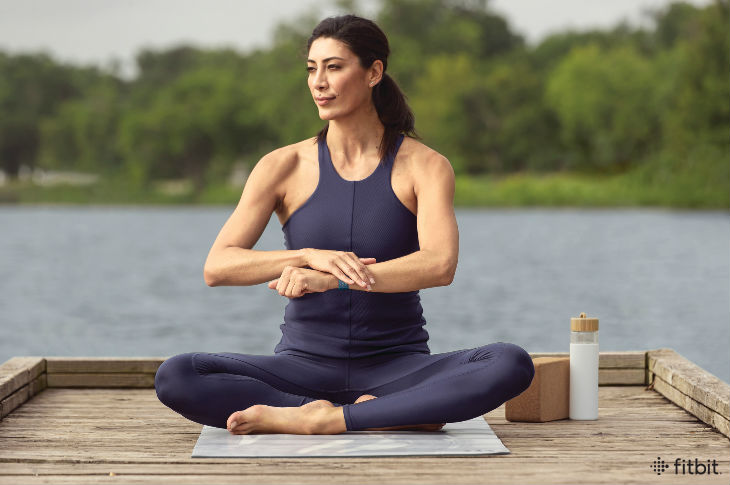
After your exercise and short cool down period, sit down in a quiet place and in a position that is most comfortable for you. “Any posture that allows you to relax into stillness is good,” says Oakes. “It’s not about trying to have a perfect posture.”
Here’s some quick tips:
Get in a comfortable position and set a timer for 5-10 minutes.
Close your eyes or keep your gaze downward.
Face your palms up to receive or down to ground.
Slow down your breathing. If thoughts come up, acknowledge them then bring your focus back to your breath.
When you’re ready to end your meditation, slowly open your eyes.
Post-workout meditation is a great place to start if you’re looking to enhance your exercise recovery and boost your feel-good endorphins. The new Fitbit Sense and Premium can help by offering guided mindfulness sessions, logging your daily mood, tracking your EDA responses, and more. Give it a go and see how you feel!
October 10 is World Mental Health Day, and at Fitbit, we’re helping you to learn more about mindfulness, stress management, and more through content that focuses on all things mental health. Clickherefor more blog posts in our Stress Week series.
When you’re feeling stressed and anxious, you want to do everything you can to calm yourself down. Luckily, there are plenty of strategies you can use to tone down anxiety and bring a sense of calm to your day. You can work up a good sweat, take a few deep breaths, or try a few minutes of meditation. Or you can proactively channel your inner calmness from the inside out—before stress strikes!—by adding naturally calming foods to your day.
There are a number of different foods you can incorporate into your diet that have a naturally calming effect. Let’s take a look at five naturally calming foods to add to your plate:
Salmon
Salmon is delicious and there’s a reason it tops most healthy food lists. Beyond its heart health benefits, salmon is also packed with a variety of nutrients that can help fight anxiety—starting with potassium. “Potassium acts as a facilitator in ensuring the brain has the ability to properly use serotonin,” says Christine Bendana, an Austin-based Culinary Nutritionist and founder of meal planning website PrepYoSelf. “Without the electrical charges sparked by potassium, [the brain] would not be able to efficiently use neurotransmitters like serotonin—which is linked to positive thoughts and feelings.”
Plus, salmon’s high level of omega-3 fatty acids “regulate neurotransmitters dopamine and serotonin, which help with calming and relaxing properties,” says Bendana. Salmon also contains vitamin B6, which helps the body synthesize GABA, a neurotransmitter that plays an important role in how the body responds to stress.
Red Bell Peppers
Vitamin C might have a reputation for fighting off colds—but did you know the highest concentration of vitamin C is found in the brain? The vitamin helps make several brain chemicals, or neurotransmitters, and may also play a role in your mood.
If you’re looking for a big dose of vitamin C, you can’t do much better than red bell peppers. One medium red bell pepper contains 152 milligrams of Vitamin C—that’s 54 milligrams more vitamin C than a large orange (which clocks in at 68 milligrams) and a whopping 169 percent of your Percent Daily Value.
Spinach
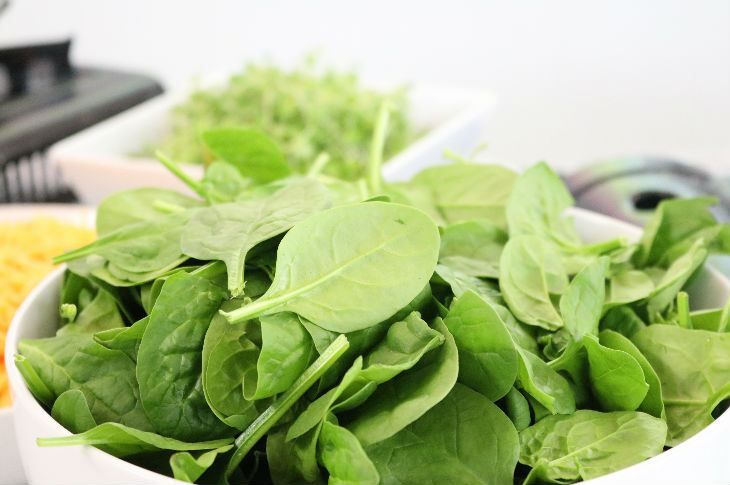
As mentioned, potassium and vitamin C are both nutrients that play a role in calming the brain. And one food that’s rich in both potassium and vitamin C? Spinach.
If you want to get the most benefit, eat your spinach raw and you won’t lose the vitamin C, which is sensitive to heat. (“Spinach is best eaten raw to maintain most of its vitamin C,” says Bendana.) You can use spinach leaves as a base for your salad or toss a handful into your smoothies.
Or, if you do decide to cook your spinach—and want to maintain as many nutrients as possible—try using the saute method. “Sauteeing is the best way to cook spinach to avoid nutrient loss,” says Bendana.
Oats
Oats might be associated with breakfast—but they’re also packed with nutrients that make them the perfect way to channel your inner calm. “Oats are a good source of the amino acid tryptophan, which is an amino acid that the body needs to produce serotonin,” says Registered Dietitian Nutritionist Jenna Appel. “Serotonin helps regulate sleep and mood and may help to reduce feelings of anxiety.”
Tart cherries
Want to maximize the calming effects of your bowl of oats? Try topping your oats with tart cherries. “Tart cherries are rich in four different sleep-regulating compounds: melatonin, tryptophan, potassium, and an antioxidant called procynadin—all of which are responsible for helping us feel more relaxed and calm,” says Erin Kenney, Registered Dietician Nutritionist and author of Rewire Your Gut.
We all deal with a certain level of stress and anxiety. But by eating well and filling your plate with lots of fruit and veggies, you’re not only giving your body the nutrients it needs to deal with daily stress that’s inevitable, but researchers have shown you’re also more likely to be happy, and improve your sense of life satisfaction and wellbeing. Salad, anyone?