Tuesday, July 7, 2020

Keys to Building a Virus-Combative Immune System

As early as childhood, most of us were taught the importance of having a healthy and strong immune system. While few individuals later understand the functionality of the immune system, the concept of “living a clean, toxin-free life” is embedded in some of our brains long before we even know what that all means. And even if we go through most of our lives following a healthy lifestyle, there are those great unknown agents of change that strike us and can change our perspective: enter COVID-19.

A healthy immune system is vital when it comes to not only keeping illness and diseases like COVID-19 at bay, but also for combatting them once they have entered the body. As we age, our immune response capability becomes reduced, which in turn contributes to more infections that ultimately lead to illness. There are several ways to build a virus-combative immune system but before we move forward with some tips and suggestions, it’s important to understand that our immune system is simply that: a system, a complex network of tissues, cells, organs, and proteins. It’s not a single entity. 

That being said, here are some ways to build or improve your body’s immune system naturally: 

Manage your stress levels and get enough sleep. Although these are two different functions, they are closely interrelated. Just as the immune and nervous systems are interdependent, so, too, are stress and sleep. High levels of stress can lead to lack of sleep, and low levels of sleep can lead to stress. But for the sake of offering tips on each, let’s move forward separating the two.

Activities that help you manage your stress include meditation, exercise, journaling, yoga, and other mindfulness practices, and a great way to try them out is available to our subscribers on Fitbit Premium. There, you’ll find virtual ways to engage in some great workouts (engaging in moderate exercise regularly is also an immunity booster), take on a challenge or two, and have several mindfulness exercises that include meditations and helpful breathing techniques right at your fingertips.  

For sleep management, Fitbit Premium is a great tool for users to log in their sleep for the purpose of self-monitoring, assessing, and leveraging their data. On average, each adult should try to get at least seven hours of sleep every night. Oftentimes, a good night’s sleep can simply require some minor adjustments in habits, such as turning off all electronics, reducing any fluid intake, and cutting back on any fat-rich and processed foods two to three hours prior to bedtime.

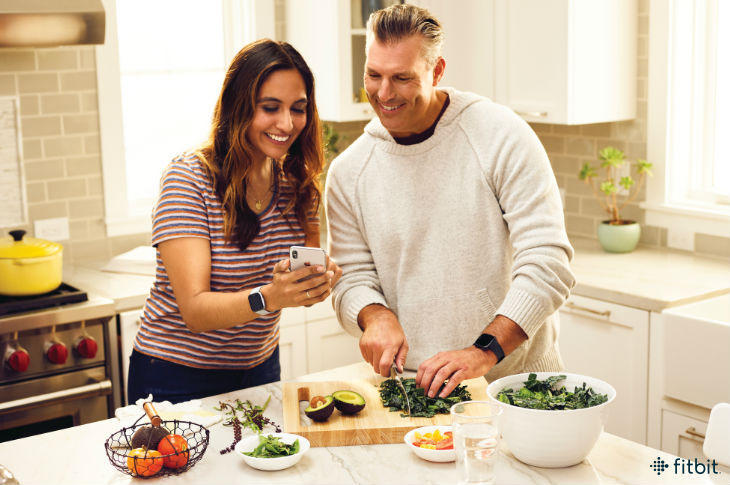
Keep it clean. A healthy and robust gut microbiome (microbes in your intestines that are critical to your health) is typically the result of eating more whole plant foods. These include fresh, fruits, vegetables, nuts, seeds, and legumes all known for their antioxidants and high nutrient-density that can protect your body from harmful bacteria. 

 These include fresh, clean fruits, vegetables, nuts, seeds, and legumes all known for their antioxidants and high nutrient-density that can protect your body from harmful bacteria. You can find some great, healthy recipes here on the Fitbit blog.

Keeping it clean also refers to cutting back on certain toxins and stimulants like tobacco and alcohol. If you drink alcohol, drink in moderation. Individuals who smoke regularly should consider cutting back significantly, or a better healthy lifestyle choice might be quitting altogether for best long-term results.

The key to building and maintaining optimal health begins with making and sticking with healthy lifestyle changes that also happen to include Fitbit’s four keystone habits: activity, sleep, mindfulness, and nutrition. In addition, consider working with a Fitbit health coach, who can help you to explore those options and what that might look like for you.

The key to building and maintaining optimal health begins with making and sticking with healthy lifestyle changes, and striving to adhere to Fitbit’s four pillars of behavior change: activity, sleep, mindfulness and nutrition, could help. Working with a Fitbit health coach can help you to explore those options and what that might look like for you.

Stay hopeful and stay safe.

No supplement, diet or lifestyle modification is proven to protect you from COVID-19. Please remember to follow your local government COVID-19 guidelines. This information is for educational purposes only and is not intended as a substitute for  medical diagnosis or treatment. You should not use this information to diagnose or treat a health problem or condition. Always check with your doctor before changing your diet, altering your sleep habits, taking supplements, or starting a new fitness routine. 

A version of this post was originally published by Madeleine Jomolca on the Fitbit Health Solutions blog.  

The post Keys to Building a Virus-Combative Immune System appeared first on Fitbit Blog.


source https://blog.fitbit.com/virus-combative-immune-system/

Monday, July 6, 2020

The Benefits of Aloe Vera

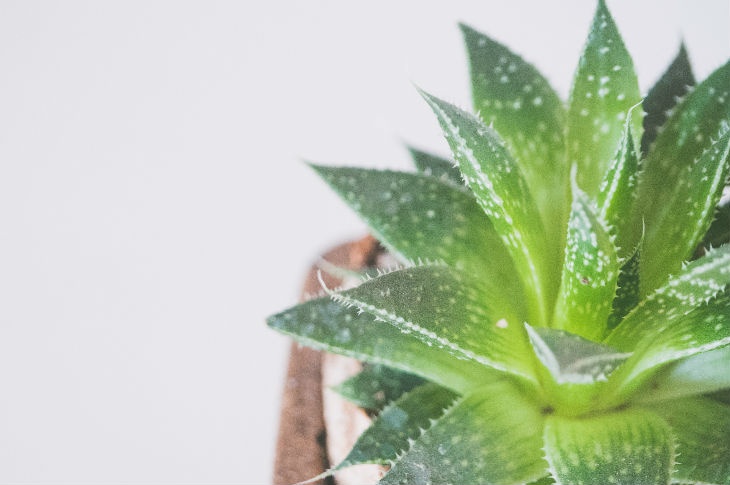
Ah, aloe vera. It’s not only an eye-catching plant that can brighten up a sunny spot in your home, but it also packs quite the healing punch. (You’ve experienced it first-hand if you’ve ever slathered on a cooling gel after getting a painful sunburn.) The best part? You can use the gel straight out of the plant—no store-bought products necessary.

The main healing power of aloe vera is that it can soothe certain skin issues thanks to its anti-inflammatory properties. “It can be used for conditions that cause inflammation in your skin, from rosacea and irritant contact dermatitis to windburn and eczema,” says Ted Lain, MD, a dermatologist and chief medical officer at Sanova Dermatology in Austin, Texas. The aloe vera doesn’t cure the underlying issue, but it helps reduce symptoms. In other words, it won’t make your sunburn go away faster, but it will help you feel better in the meantime.

It’s super easy to use, too. If you have an aloe vera plant at home, you can just cut one of the leaves and get the gel directly from there. But Dr. Lain cautions you to try it on a small patch of skin before slathering it all over your body. “Direct secretion from the plant has a high concentration of chemicals, so you want to make sure you don’t have a reaction—especially if you have sensitive skin,” says Dr. Lain. 

Don’t have a plant at home or worried about a reaction? You can find aloe vera as an ingredient in cooling gels and creams sold at stores, which will have a lower potency.

Aloe vera doesn’t just come in creams and lotions, it’s also sold in drinkable forms (you might have seen aloe vera juice or water in stores). But don’t be so quick to stock up on them. While the medicinal powers of aloe vera on external issues have been well-researched, the same isn’t quite true for its ability to heal internal health issues. There are some promising studies—one review found it can bring relief to IBS sufferers while another showed it can help people with pre-diabetes improve their blood glucose levels—but there is still a lot more research to be done before those kinds of benefits can be proven.

The post The Benefits of Aloe Vera appeared first on Fitbit Blog.


source https://blog.fitbit.com/benefits-of-aloe-vera/

Sunday, July 5, 2020

Fitbit is Teaming Up With Ayesha Curry For an Exciting New Series on Fitbit Premium

We’re so excited to share that Fitbit has officially partnered with Ayesha Curry, New York Times bestselling author, chef, restaurateur, and fitness enthusiast, to develop Ayesha Curry’s Premium Summer for Fitbit Premium. The series includes exclusive, original content for Fitbit Premium, with a focus on Ayesha’s passions: nutrition and fitness. 

You may have already known that Ayesha is a culinary entrepreneur busy building her own empire. But did you know she’s also a philanthropist, lifestyle expert, creator of her own magazine Sweet July, and more?

With a rewarding career and a packed schedule befitting a busy celebrity mom, Ayesha uses her own Fitbit Versa 2 to keep accountable to get up and move throughout the day, as well as stay on track when it comes to her fitness journey. Fitbit’s partnership with Ayesha is a natural fit—it’s clear this successful multi-hyphenate shares our vision of making the world a healthier place! 

“Being healthy isn’t just about what you do in the gym or in the kitchen—it’s about the in-between too and how it all fits together,” Ayesha says. “I always enjoy sharing my fitness routines and healthy recipes with my friends and family, and now I can share my passions with the Fitbit Premium community exclusively through Premium Summer.” 

Not familiar with Premium? It’s a paid membership* that provides personalized and actionable guidance, coaching, and insights to help you eat well, sleep better, move more, and stress less—all within the Fitbit app. 

Starting July 7, new content from Ayesha, including her best tips, quick and effective workouts, delicious and nutritious meals, and family-friendly activities, will drop on Premium every Tuesday for six weeks. 

What can you look forward to with this new fitness and nutrition series for Fitbit?  

Fitness. Premium members can expect four 10-minute workout videos inspired by Ayesha’s own personal fitness journey, aided in part by her Versa 2. Ayesha is a loyal Fitbit user and has used the device to help her track her progress, stay motivated, and reach her goals. 

Each of these videos will target a different part of the body, like arms, core, legs and glutes, as well as a good circuit and stretch session that’s perfect for before or after a workout, or even when winding down for bed—so that you’re well equipped to take on what’s ahead. Even if sometimes it is your pillow! 

Nutrition. Fueled by her passion for feeding her friends and family healthy and delicious meals, Ayesha will create two 15-minute videos that bring exclusive recipes to life, with simple step-by-step instructions you can follow at home. These easy recipes will give you energy all while being good-for-you and delectable. They’re designed to be crowd-pleasers for the whole family that don’t take too much time to whip up. 

Obsessed with Ayesha’s cookbook, The Seasoned Life? You’ll be excited to hear that Ayesha recently revealed the cover of her upcoming second cookbook, The Full Plate, which will be available on September 22. 

Plus, guess what? One of her favorite recipes from The Full Plate, Ayesha’s “Mindful Sheet Pan Dinner” recipe will be released exclusively on Premium first. “It’s fast, fresh, easy, and requires minimal clean-up,” she says. Sounds good to us!  

*Fitbit is offering a 90-day free trial for new Premium users to help you stay motivated, active, and healthy, especially while working out and cooking more at home. You can sign up for the free trial in the Fitbit app. (Valid payment method required. Cancel before free trial ends to avoid subscription fees. New Premium users only. See full terms & conditions here.) 

The post Fitbit is Teaming Up With Ayesha Curry For an Exciting New Series on Fitbit Premium appeared first on Fitbit Blog.


source https://blog.fitbit.com/ayesha-curry-for-premium/

Thursday, July 2, 2020

What to Do With Cookout Leftovers

Nothing says summer like grilling burgers and barbecue chicken in the backyard. A healthy BBQ is a fun and delicious time, but sometimes we all misjudge and cook more than everyone eats—and you’re left consuming leftovers for the entire week. 

Luckily you don’t have to eat the same exact meal for days straight. There are lots of ways to turn cookout stars into completely new, healthy meals for lunch, dinner, and even breakfast. Bookmark this page because you’re sure to love and be inspired by the ideas below.

BBQ Chicken

Pulled BBQ Chicken Lettuce Wrap

Toss diced leftover chicken with honey mustard sauce. Place in large lettuce leaves and top with sliced tomato and avocado. “Kick it up a notch with crumbled blue cheese,” says Juan Muñoz, executive chef of Proper Food, an elevated grab-and-go chain.

BBQ Chicken Salad with Tomatoes & Corn

Top greens with leftover chicken, tomatoes, red onion, blue cheese, and corn kernels from corn on the cob. Drizzle with a healthy DIY ranch dressing made with Greek yogurt. (To cut kernels from the cob, use Muñoz’s mess-free method: Take a large bowl and place a smaller bowl or coffee mug face-down in the middle. Lay a wet towel on top of that. Place the flat end of a corn cob on that base so you can hold the cob vertically. Using a knife, cut the kernels off from top to bottom. Rotate the entire large bowl and keep slicing kernels off like this. When done, all the corn will be in the towel, which you can bunch together to transfer.)

BBQ Chicken Pizza

Top fresh or store-bought whole-wheat crust (or cauliflower crust) with a thin layer of barbecue sauce. Add diced leftover chicken, sliced onions, spinach, and cheese. Bake until cheese is melted and bubbly.

Grilled Steak

Grilled Hanger Steak Salad

Combine arugula, grilled onions, cooked farro, pickled parsley, and roasted garlic. Top with sliced steak and drizzle with black pepper and lemon vinaigrette, Muñoz suggests.

Grilled Hanger Steak Dinner Plate

Roast potatoes tossed in garlic powder and onion powder, sauté kale, and reheat the steak. To serve, top the steak with your favorite pesto, Muñoz says.

Southwestern Grilled Steak Salad

Toss lettuce with kernels from corn on the cob, chopped tomato, and diced avocado. Top with leftover sliced steak and lime-cilantro vinaigrette.

Steak Fajitas

Sauté sliced onions, any color bell peppers, and summer squash. Fill tortillas with veggies and leftover sliced steak. Top with guacamole, if desired. 

Hamburgers, Turkey Burgers, and Chicken Burgers

Burger Breakfast

Muñoz suggests sautéing finely diced sweet potatoes and onion with garlic, then adding crumbled burger, spinach, and egg whites or whole eggs. Scramble everything together.

Stuffed Peppers

Combine crumbled burger with cooked brown rice or quinoa and any seasonings. Stuff halved bell peppers with mixture and top with shredded cheese. Bake until peppers are soft and cheese is melted. 

Plant-Based Burgers

Plant-Based Burger Taco Salad

Sauté onion and garlic, then add crumbled veggie burger and chili powder to make taco “meat”, Muñoz says. Divide romaine lettuce between plates or bowls and add “meat”, black beans, diced tomatoes, guacamole, and cheese, if desired. Top with a lime vinaigrette.

Black Bean Breakfast Burger

Reheat a black bean burger. Place in an English muffin with a fried egg, lettuce, sliced tomato, and sliced avocado.

Corn on the Cob

Roasted Corn Vegan Soup

Blanch lots of onions, then add corn kernels and veggie stock and bring to a boil. Simmer for about 30 minutes. In batches, transfer to a blender and puree until smooth. Transfer soup back to the original pot and add salt, pepper, and a tiny bit of agave to taste, Muñoz says.

Veggie Tacos with Grilled Portabellas, Poblanos, and Corn

Toss freshly cooked or leftover grilled portabellas and poblano peppers with lime juice, olive oil, salt, and pepper. In a separate bowl, mix leftover corn kernels, halved cherry tomatoes, salsa verde, and cilantro. Top tortillas with veggies, corn-tomato salsa, and sliced avocado.

Quinoa and Corn Salad

Cut the kernels from the cob. Toss with cooked quinoa, parsley, chopped roasted peppers, toasted almond slivers, and a lemon-herb vinaigrette, Muñoz suggests. Top with feta cheese, if desired.

Grilled Vegetables

Grilled Veggie Scramble

Scramble egg whites or whole eggs with leftover grilled vegetables. Top with tarragon, chives, and parmesan cheese. Finish with olive oil and fleur de sel, Muñoz says.

Grilled Veggie Wrap

Spread your favorite hummus on a whole-wheat tortilla. Add leftover grilled vegetables, arugula, cooked quinoa, Greek yogurt mixed with lemon juice, and feta, if desired, Muñoz suggests.

Grilled Veggie Pasta Salad

Mix cooked whole-wheat pasta, leftover grilled vegetables, and balsamic vinaigrette. Toss with fresh basil and parmesan, if desired.

Watermelon

Watermelon Salad with Feta and Mint

Combine cubed watermelon, crumbled feta, and minced jalapeño. Toss with olive oil, lime juice, and salt. Add chopped fresh mint and toss again.

Watermelon Smoothie

Blend watermelon, kefir, strawberries, cucumber, and fresh mint, if desired.

The post What to Do With Cookout Leftovers appeared first on Fitbit Blog.


source https://blog.fitbit.com/cookout-leftovers/

Wednesday, July 1, 2020

What You Need to Know About Tracking Your Eating Habits Beyond Macros

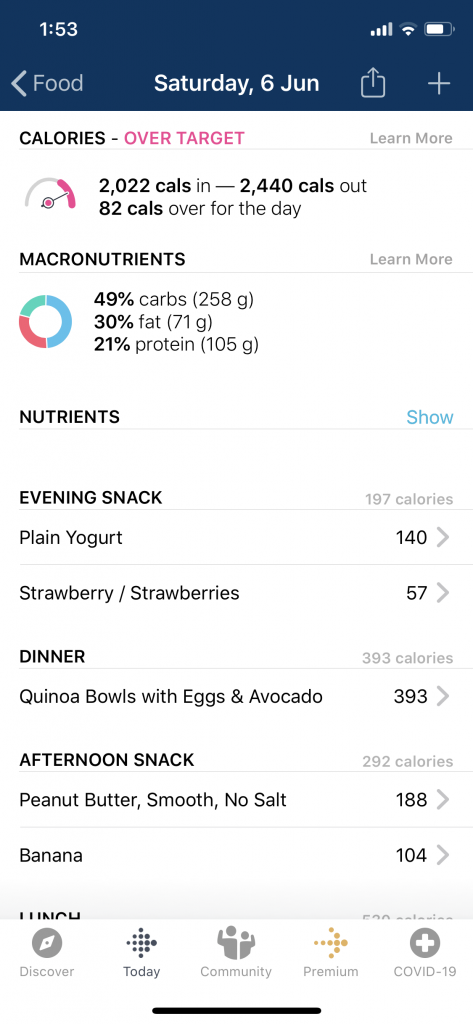
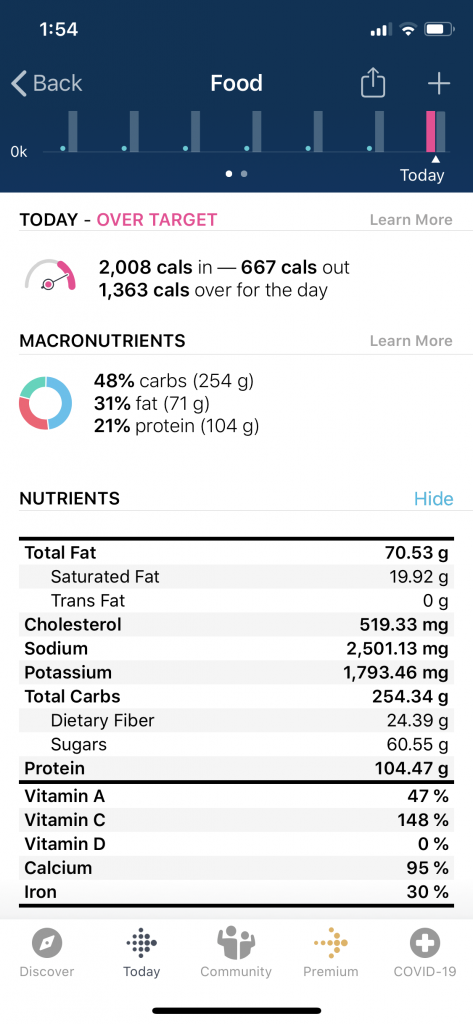
If you’re using the Fitbit app to log your meals, you probably have a good sense of your calorie and macronutrient intake. But many Fitbit users want to track their nutrition numbers beyond just macros. Good news! We listened and the Fitbit food logging feature just got a little bit smarter. In the Fitbit app, you can now see your daily nutrients totals for all the major nutrients including total fat, saturated fat, trans fat, cholesterol, sodium, potassium, total carbs, dietary fiber, total sugars, protein, and your percent daily value for vitamin A, vitamin C, vitamin D, calcium, and iron.

Why Track Nutrients Beyond Macros?

If you have a specific health condition, like high blood pressure for example, your doctor may have advised you to limit your sodium intake and increase your potassium intake. Or perhaps you’re trying to limit how much sugar you’re eating in order to have better blood glucose control while managing your diabetes. If you have heart disease (or are hoping to prevent it), a vital step in lowering your cholesterol is to keep an eye on your saturated fat intake. Trying to lose weight on a lower-calorie diet? Hitting your fiber goal may help keep those hunger pangs at bay! You can now track all these nutrients, and more, in the Fitbit app. 

How do I track my nutrients in the Fitbit app?

To see your nutrient totals for each day, simply log a few food items in the Food section in the Fitbit app. A new section called “Nutrients” will appear below “Macronutrients” on the summary screen. Tap “Show” to see your daily totals. You can also see your nutrient totals for previously logged days: Tap on the date and then tap “Show” below “Nutrients” and you’ll see your nutrient totals for those days, too. 

What Nutrient Targets Should You Aim For Each Day?

Nutrients are compounds in food that are essential to health. The larger compounds, aka macronutrients (carbs, protein, and fat) provide you with energy to move and survive. And the smaller compounds, aka micronutrients (vitamins and minerals) are essential for good health. Your personal nutrient goals, or officially called Dietary Reference Intakes (DRIs), depend on your gender, age, and for women, if you’re pregnant or breastfeeding. 

So if you’re wondering what to shoot for each day, here are the DRIs based on age and gender.

IF YOU’RE AN ADULT BETWEEN 19 AND 50 YEARS…
Nutrient Male  Female 
Total Fat 20–35%  20–35% 
Saturated Fat <10%  <10% 
Trans Fat As low as possible As low as possible
Cholesterol <300 mg <300 mg
Sodium <2,300 mg <2,300 mg
Potassium 4,700 mg 4,700 mg
Total Carbs 45–65%  45–65% 
Dietary Fiber 38 g 25 g
Total Sugars a <25 % <25%
Protein 10–35%  10–35% 
Vitamin A 3,000 IU (900 µg RAE) 2,333 IU (700 µg RAE)
Vitamin C 90 mg 75 mg
Vitamin D 600 IU (15 µg) 600 IU (15 µg)
Calcium 1,000 mg 1,000 mg
Iron 8 mg 18 mg
IF YOU’RE AN ADULT AGED 51 YEARS AND OLDER…
Nutrient Male  Female 
Total Fat 20–35%  20–35% 
Saturated Fat <10%  <10% 
Trans Fat As low as possible As low as possible
Cholesterol <300 mg <300 mg
Sodium <2,300 mg <2,300 mg
Potassium 4,700 mg 4,700 mg
Total Carbs 45–65%  45–65% 
Dietary Fiber 30 g 21 g
Total Sugars a <25 % <25%
Protein 10–35%  10–35% 
Vitamin A 3,000 IU (900 µg RAE) 2,333 IU (700 µg RAE)
Vitamin C 90 mg 75 mg
Vitamin D 600 IU (15 µg) (51–70 years)
800 IU (20 µg) (70+ years)
600 IU (15 µg) (51–70 years)
800 IU (20 µg) (70+ years)
Calcium 1,200 mg 1,200 mg
Iron 8 mg 8 mg
IF YOU’RE PREGNANT OR LACTATING AND 19 YEARS AND OLDER…
Nutrient Pregnancy Lactation
Total Fat 20–35%  20–35% 
Saturated Fat <10% <10% 
Trans Fat As low as possible As low as possible
Cholesterol <300 mg <300 mg
Sodium <2,300 mg <2,300 mg
Potassium 4,700 mg 5,100 mg
Total Carbs 45–65%  45–65% 
Dietary Fiber 28 g 29 g
Total Sugars a <25% <25%
Protein 10–35%  10–35% 
Vitamin A 2,566 IU (770 µg RAE) 4,333 IU (1,300 µg RAE)
Vitamin C 85 mg 120 mg
Vitamin D 600 IU (15 µg) 600 IU (15 µg)
Calcium 1,000 mg 1,000 mg
Iron 27 mg 9 mg

1 Total Sugars: There is no Dietary Reference Intake for total sugars, however healthy eating patterns developed by the United States Department of Agriculture (USDA) and the Academy of Nutrition and Dietetics (AND) average 23.3% and 21.1% as total sugars respectively.

Why Are Some Nutrients Shown As Percentages?

To help you understand how each nutrient contributes to your daily needs, food nutrition labels show the % Daily Values for certain nutrients. To keep it simple, the Fitbit app shows the same % Daily Value for vitamin A, vitamin C, vitamin D, calcium, and iron. These values are based on a 2,000-calorie diet, so may not be the exact right number for you (those are listed in the tables above), but rather a quick-and-easy snapshot of how close you’re coming to hitting the average nutrient requirement.

Here are the Daily Value amounts used to calculate your percentages in the Fitbit app.  

Nutrient Daily Value
Vitamin A  5,000 IU
Vitamin C  60 mg
Vitamin D 400 IU
Calcium 1,000 mg
Iron 18 mg

The post What You Need to Know About Tracking Your Eating Habits Beyond Macros appeared first on Fitbit Blog.


source https://blog.fitbit.com/food-logging-nutrients/

What the Heck Are Grounding Techniques?

There’s no denying that each of us experiences daily stressors in our lives. However, sometimes it’s not just the actual events and situations but the stories we start to weave about them that tend to increase anxiety. “So much of stress is our perception of what is transpiring,” says Jessica Matthews, DBH, NBC-HWC, E-RYT500, assistant professor of integrative wellness at Point Loma Nazarene University.

One way to help combat this additional anxiety is an ancient technique called “grounding”. Practiced in Chinese medicine and by Indigenous people throughout the world, grounding has come to be used in behavioral health, during practices like yoga and meditation, and simply to connect with nature. Yet all of these have a commonality. “At the heart of these different paths, grounding not only invites us to be more present in the here and now, it is an opportunity to become more present within our own bodies,” Matthews explains.

Doing so may help manage anxiety and stress. “So often we spend a lot of time projecting and predicting the future or lingering in the past, ruminating and rehashing” what occurred, Matthews says. Whether we are looking forward or backward, we layer our own perception on top, often creating untrue narratives that only add more stress. Grounding helps you pause and come back to the present. Noticing the physical sensations in the body rather than being in our heads helps “remind us that we are here and we are safe,” Matthews explains, thus reducing anxiety.

Additionally, some practices such as diaphragmatic breathing appear to activate the parasympathetic nervous system, initiating the relaxation response. Others, such as being barefoot in a natural setting, have been shown to possibly help reduce pain and inflammation.

Ways to Ground

Whatever you choose, it’s easy to practice grounding. When you do, it’s important to be in a place where you feel safe and supported, Matthews says. Also note that there is no “right” or “wrong” way to ground yourself. Focus on your sense of feeling—rather than thinking—and “trust and lean into your sensations,” Matthews says. Simply observe; this is not a time to judge.

If you feel ready, consider the five grounding practices below.

Diaphragmatic breathing. Lie down with one hand on your chest and the other on your stomach. As you inhale, feel your belly press into your bottom hand. As you exhale, feel your belly soften and fall. (The other hand on your chest should remain fairly still throughout.)

Intentional breathing. Simply be conscious of your breathing, feeling the coolness of the air as it enters your nostrils and the warmth as it exits.

Earthing. “Sometimes one of the most simplistic yet powerful grounding practices is noticing the sensations of your feet against the earth or floor,” Matthews says. You can do this in your backyard, a park, the beach, or any other natural setting. Take your shoes off and notice the sensations of your feet against the grass, dirt, or sand.

Find your feet. When you can’t take your shoes off, you can still do a twist on earthing: Ask yourself, “Where are my feet?” Again, feel the physical sensations of your feet, whether you’re in a subway, car, classroom, work environment, or your home.

Body scan. While inside or outdoors, find a comfortable position lying down. You can either start at your toes and work up to the crown of your head, or go in the opposite direction. Either way, “notice what there is to notice in your physical body,” Matthews says, as you slowly, progressively move from one body part to the next (toes, heels, ankles, calves, etc). Observe where there is tension, warmth, coolness, numbness, pulsing, and any other sensations. 

Choose from a variety of guided meditations to deepen your mindfulness practice on Fitbit Premium. Learn more here.

The post What the Heck Are Grounding Techniques? appeared first on Fitbit Blog.


source https://blog.fitbit.com/grounding-techniques/

3 Socially Distanced Sports to Try Right Now

Walking, running, and cycling are all great activities easily done alone, but it’s natural to sometimes crave a little company when you’re working up a sweat. It’s probably going to be a little longer until you feel comfortable going to your favorite yoga studio or kickboxing class, but there are still some sports that are easy to do while following social distancing rules. 

First things first: To make sure you’re being safe, check with your local public health department to confirm things are open enough to get together with a few friends. And if you haven’t been as active as you normally are (totally understandable!) make sure to start slowly so you don’t injure yourself. 

Next, pick your activity. Here are three to try:

Tennis

Dust off that old racket—now is the perfect time to head to a nearby court. Because there’s always a net between you and your opponent, you are naturally going to be far apart. To help players stay safe, the United States Tennis Association has come up with specific guidelines to follow. One of the key steps to take is to clean your hands before you start to play and not to share equipment with anyone else. That includes tennis balls. To keep them separate, have everyone bring their own can of balls and mark them somehow (a sharpie works great here). Then make sure to only pick up your own balls with your hands.

Golf

As golf courses started opening up again around the country, people were eager to tee up with their friends. Knowing this, the United States Golf Association and other organizations came up with a CDC-reviewed resource to keep everyone safe. Luckily, golf courses are by nature large outdoor areas that make it pretty easy to follow these social distancing guidelines. 

Some of the key ones: staying six feet apart from others (even at the tee or after your round is over), only touching your own clubs and balls (mark yours clearly to make this easy), and avoiding any celebratory high fives over an especially great swing.

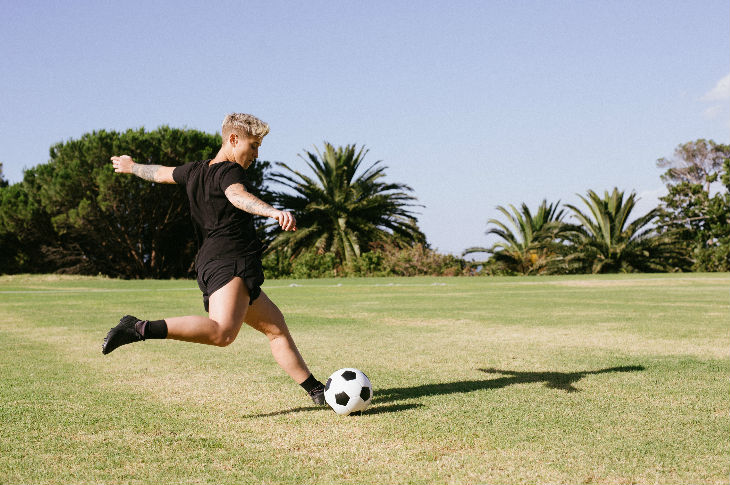
Soccer

This sport is a little tougher to imagine playing safely—after all, you have to get pretty close to other players to steal the ball from them or defend your net! 

That’s where skill work can come in. Set up some cones to keep everyone more than six feet from each other and focus on things like passing drills (work on short passes and long ones), dribbling around cones, and shooting. 

Same rules apply here as with golf and tennis: Only touch your own soccer ball with your hands and don’t give other players high fives.

The post 3 Socially Distanced Sports to Try Right Now appeared first on Fitbit Blog.


source https://blog.fitbit.com/social-distancing-sports/